
I am seeking treatment for



Tramadol Addiction
Tramadol has about one tenth the potency of morphine and is approximately equally potent when compared with pethidine and codeine.
General Information:
Tramadol, sold under the brand names “Tramal” and “Ultram” among others, is an opioid pain medication used to treat mild to severe pain, both acute and chronic. Tramadol has about one tenth the potency of morphine and is approximately equally potent when compared with pethidine and codeine.
When tramadol is abused for recreational purposes, it can create a near-immediate sense of pleasure and happiness that has often been compared to a morphine high. As is the case with opioids though, it can be very addictive. Dependence can develop quickly, with withdrawal symptoms similar to those of morphine.
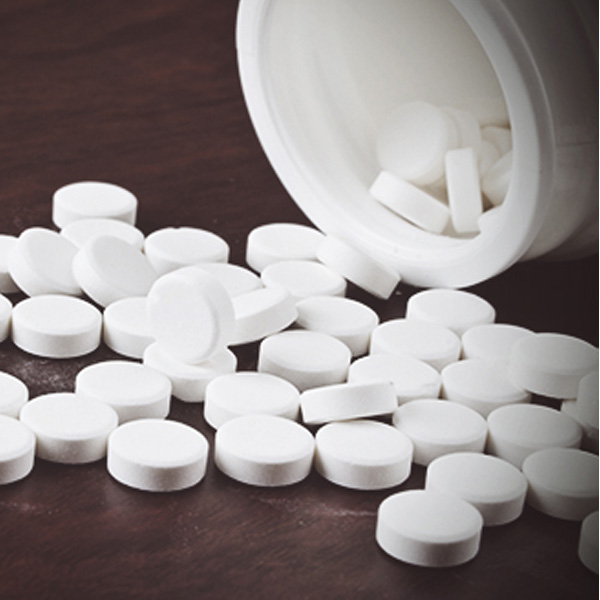
Tramadol is available in many different forms ranging from liquid, syrup, drops to injections. The most common, however, is tablet or capsule form, especially among recreational users. Addicts usually take them orally and some may also snort them.
Because of the possibility of convulsions or seizures at high doses for some users, recreational use can be very dangerous Tramadol can cause a higher incidence of nausea, dizziness and loss of appetite compared with other opioids.
ONSET OF WITHDRAWALS:
12-20 HOURS*
DURATION OF WITHDRAWALS:
1-4 DAYS*
Signs and Symptoms:
● Anxiety
● Agitation
● Muscle pain
● Fever
● Insomnia
● Runny nose
● Watery eyes
● Frequent yawning
● Increased sweating
● Cramping in abdomen
● Dilated pupils
● Diarrhea
● Nausea and vomiting
● Muscle spasms
● Restlessness
● Mood swings
● Depression
● Fatigue
Drug Specific Withdrawal Symptoms & How heroin detox center can help
Long term use of high doses of tramadol will cause physical dependence and withdrawal syndrome. Symptoms include numbness, tingling and tinnitus (ringing in ears). Psychiatric symptoms may include hallucinations, paranoia, panic attacks and confusion.
More Information about Rehab at Solace Asia: