I am seeking treatment for


Alcohol: Effects & Withdrawal Symptoms
Alcohol is produced by fermenting yeast, sugars, and starches. As a central nervous system depressant, it is quickly absorbed into the bloodstream from the stomach and small intestine.
To talk through treatment for alcohol addiction, contact the Solace Asia team for a free, confidential consultation. If cost is a concern, our sister retreat Salus offers residential alcohol rehab at a lower cost, in a different residential location, maintaining Solace’s clinical standards for treatment.
General Information:
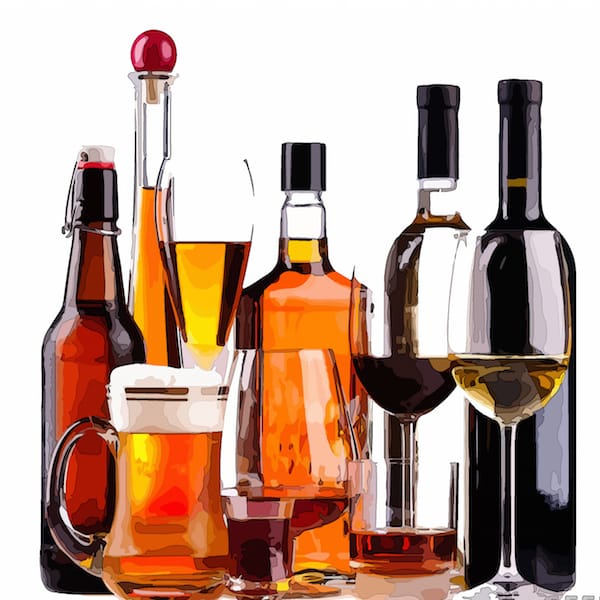
Ethyl alcohol, or ethanol, is an intoxicating ingredient found in beer, wine, and liquor. Alcohol is produced by the fermentation of yeast, sugars, and starches. It is a central nervous system depressant that is rapidly absorbed from the stomach and small intestine into the bloodstream. A standard drink equals 0.6 ounces of pure ethanol, or 12 ounces of beer; 8 ounces of malt liquor; 5 ounces of wine; or 1.5 ounces (a “shot”) of 80-proof distilled spirits or liquor (e.g., gin, rum, vodka, or whiskey)
ONSET OF WITHDRAWALS:
6 - 24 HOURS*
DURATION OF WITHDRAWALS:
2 - 10 DAYS*
Signs and Symptoms:
At low doses, alcohol causes loss of emotional restraint, vivaciousness, feeling of warmth, flushing of skin, and mild impairment of judgment. As blood alcohol levels increase, speech becomes slurred and the intoxicated person begins losing motor control. At higher levels, memory is affected and the person becomes stuporous and unable to be aroused. Coma and death can, rarely, ensue.
Physiological & Cognitive Symptoms:
Autonomic overactivity: Sweating, Tachycardia, Hypertension, Insomnia, Tremor, and Fever.
Gastrointestinal: Anorexia, Nausea, Vomiting, and Dyspepsia.
Cognitive and perceptual changes: Anxiety, Vivid dreams, Illusions, Hallucinations, and delirium.
Drug Specific Withdrawal Symptoms & How Detox at Solace Asia Can Help
Seizures occur in about 5% of people withdrawing from alcohol. They occur early (usually 7–24 hours after the last drink), are grand mal in type (ie, generalised, not focal) and usually (though not always) occur as a single episode. Delirium tremens (“the DTs”) is the most severe form of alcohol withdrawal syndrome, in need of a medical emergency. It usually develops 2–5 days after stopping or significantly reducing alcohol consumption. The usual course is 3 days, but can be up to 14 days.
More Information about Rehab at Solace Asia: